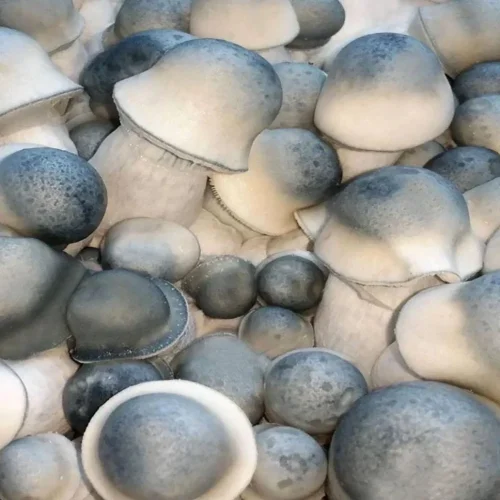
What Are Psilocybin Spores?
As we discussed briefly on our homepage and in our FAQ, Psilocybin spores are microscopic reproductive cells produced by certain fungi, including psilocybin-containing mushroom species such as Psilocybe cubensis. Similar to how plants use seeds, mushrooms release spores to reproduce and spread genetic material.
These spores are uniquely suited for microscopy due to their small size, shape, and coloration, and they do not contain psilocybin or any psychoactive compounds themselves, which is also why they can be sold and bought in most U.S. States completely legally.
It is important to note that psilocybin spores are commonly referred to by several different names, including shroom spores, magic mushroom spores, and psychedelic mushroom spores.
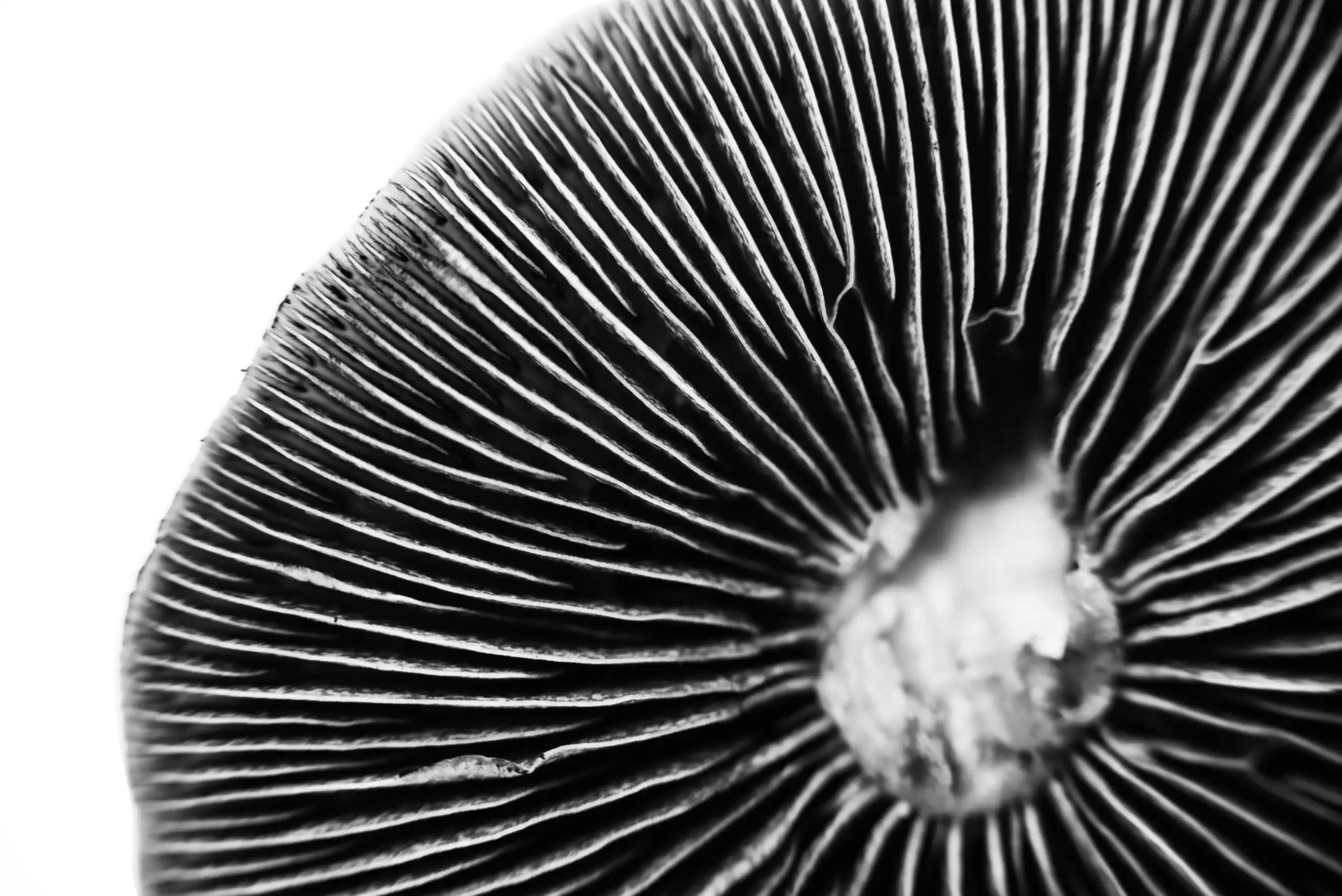
What Are Psilocybe Cubensis?
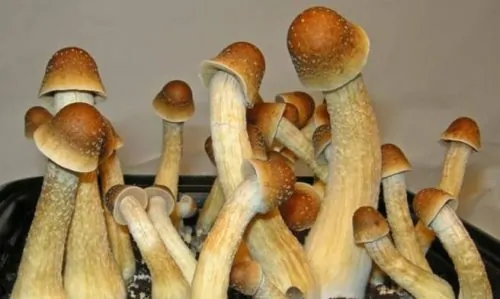
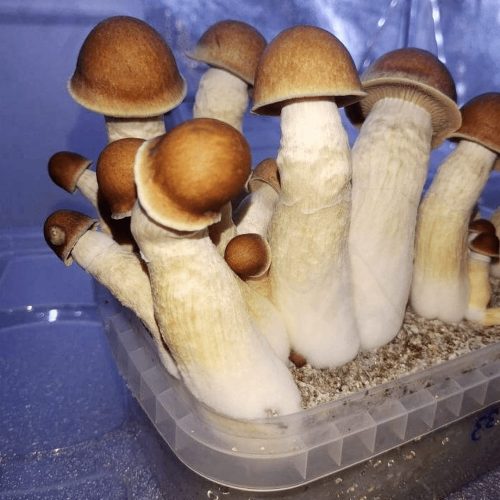
Psilocybe cubensis is a species of mushroom within the genus Psilocybe. Many familiar names in the spore community—including Golden Teacher, B+, and Penis Envy—refer to varieties of this species. “Cubensis” identifies the species; those other names distinguish lineages associated with different appearances and histories. Not every psilocybin-producing mushroom belongs to P. cubensis, though it is one of the most widely recognized species.
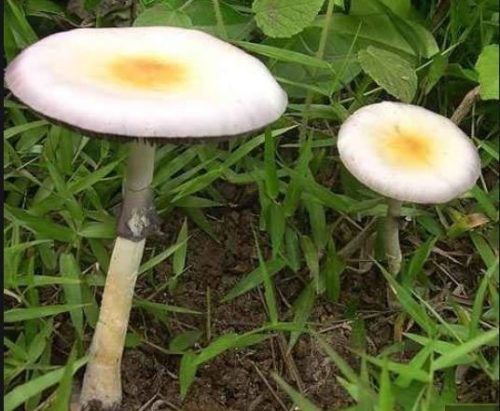
The species occurs in tropical and subtropical regions and is a saprotroph, meaning it obtains nutrients by breaking down organic material. It is commonly associated with livestock dung, grassy areas, and disturbed habitats. Its name traces back to a specimen described from Cuba in the early twentieth century, but the name does not mean that every cubensis variety originated there.
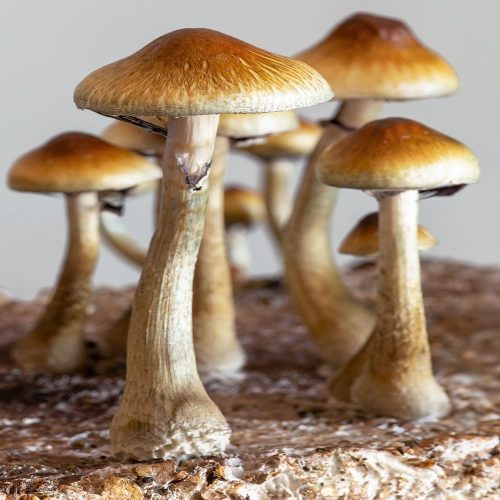
A mature P. cubensis mushroom typically has a yellowish-brown to golden cap, a pale stem, closely spaced gills, and a ring left by the protective veil that covered the young gills. As the gills mature, they produce dark spores that can leave a purplish-brown to nearly black deposit. The mushroom’s tissues can also stain blue after injury. These are characteristics of the species as a whole; cap color, shape, and size can vary among individual mushrooms and named varieties.
This distinction matters when discussing “psilocybin spores.” The mushroom fruiting body and its ungerminated spores are different biological materials. The fruiting body is associated with the compounds psilocybin and psilocin, while the spores are reproductive cells used to describe and compare fungal specimens.
Popular Magic Mushroom Strains
When it comes to magic mushroom spores, few strains carry as much recognition as Golden Teacher (GT). Revered by both beginners and seasoned mycology enthusiasts alike, Golden Teacher mushroom spores have become one of the most sought-after options in the spore community. Their widespread popularity stems from a blend of accessibility, resilience, and iconic heritage in the world of psychedelic mycology.
Golden Teacher Mushrooms are known for producing mushrooms with large, golden caps and a distinctive, approachable profile. Unlike some other spore strains that can be finicky or slow to colonize, Golden Teacher is forgiving and robust — making it a top choice for people who are new to working with spores, as well as experienced cultivators who want consistent results. This reliable performance has helped Golden Teacher earn legendary status in mushroom forums, grower communities and educational circles.
Another reason GT Spores are especially popular is their versatility. Whether you’re looking to expand your understanding of fungal life cycles, practice sterile technique with a mushroom spore syringe, or simply add a timeless strain to your collection, Golden Teacher delivers a balanced mix of ease and reward. Its long history in cultivation also means there’s a wealth of shared experiences and troubleshooting wisdom available online, which further supports success for growers at all levels.
If you’re interested in exploring this classic strain for your next microscopy research project, check out our Golden Teacher spores. a perennial favorite with a track record of reliable germination and strong community support.
Penis Envy mushrooms are a visually distinctive variety of Psilocybe cubensis, recognized in mycology for their thick stipes, underdeveloped caps, and dense cellular structure. Compared to standard cubensis lineages, this strain features unique genetic traits, including a naturally slower maturation cycle and significantly reduced spore drop under observation. Because of these distinct microscopic characteristics, the strain remains a primary focus of study in the microscopy community. If you want to study this specific lineage, we provide isolated Penis Envy spores formatted specifically for high-magnification observation.